Demolition work requires the right tools and proper planning. Whether you are removing a driveway, breaking a slab, or preparing a site for excavation, selecting the right demolition tool helps the job move faster and safer.
A jackhammer rental is one of the most effective solutions for breaking hard surfaces such as concrete, asphalt, and masonry.
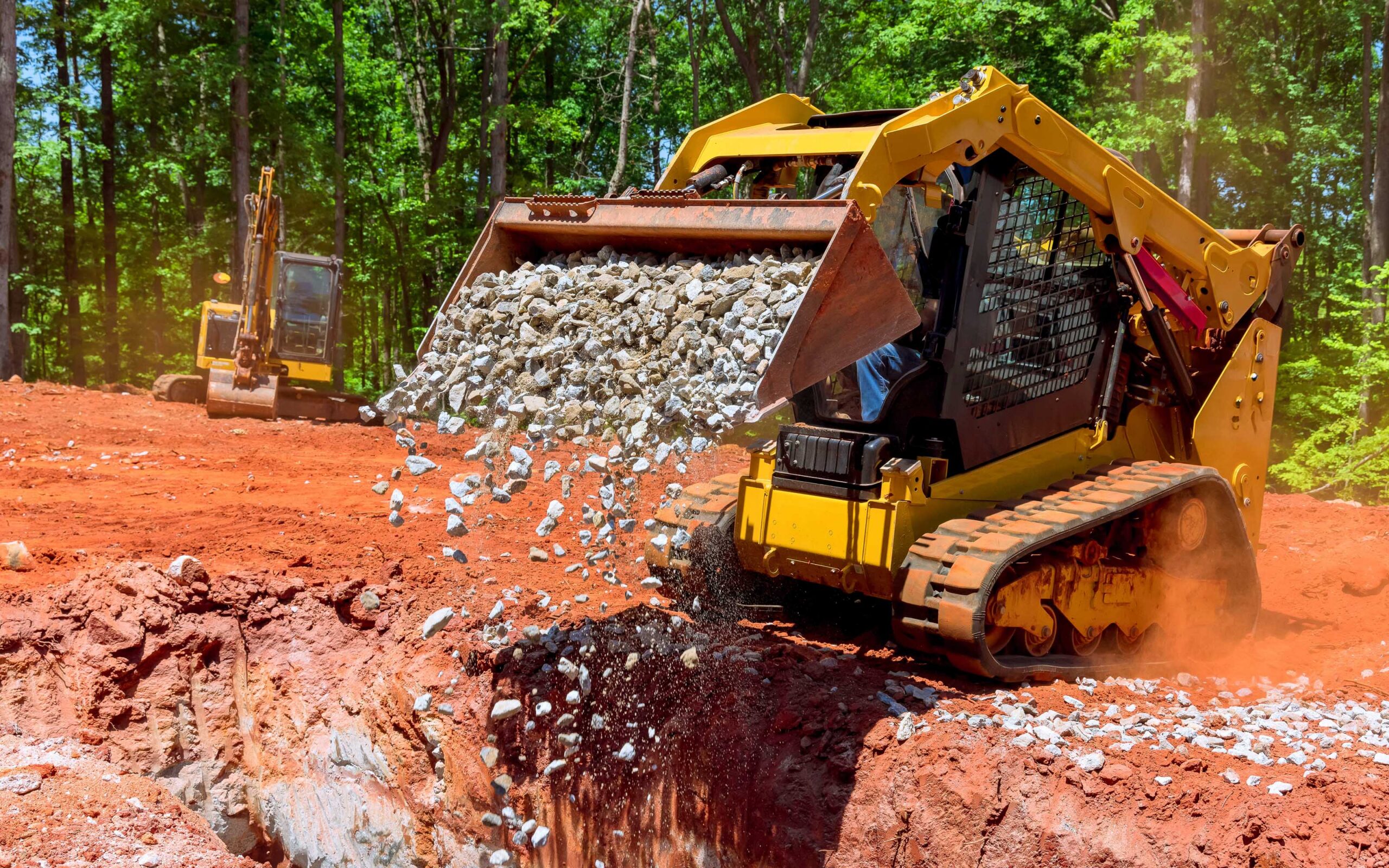
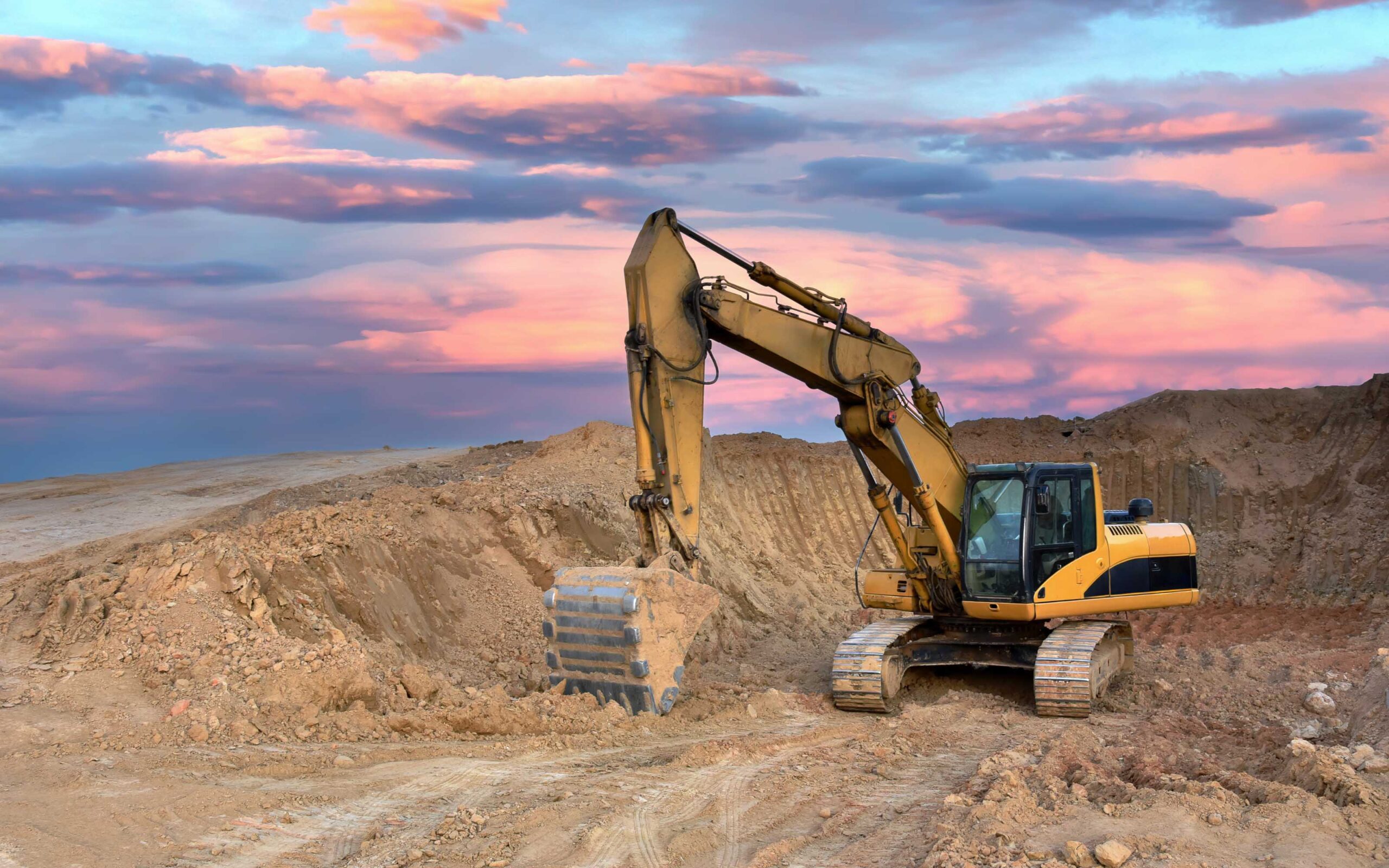
Contractors, landscapers, and homeowners often rent demolition tools because they deliver professional-grade power without the high cost of ownership. Many projects also involve supporting machines such as a loader, forklift, or excavator to move debris after demolition.
Understanding how jackhammers work and when to use them helps ensure efficient, consistent results on any project.
What Is a Jackhammer and How Does It Work?
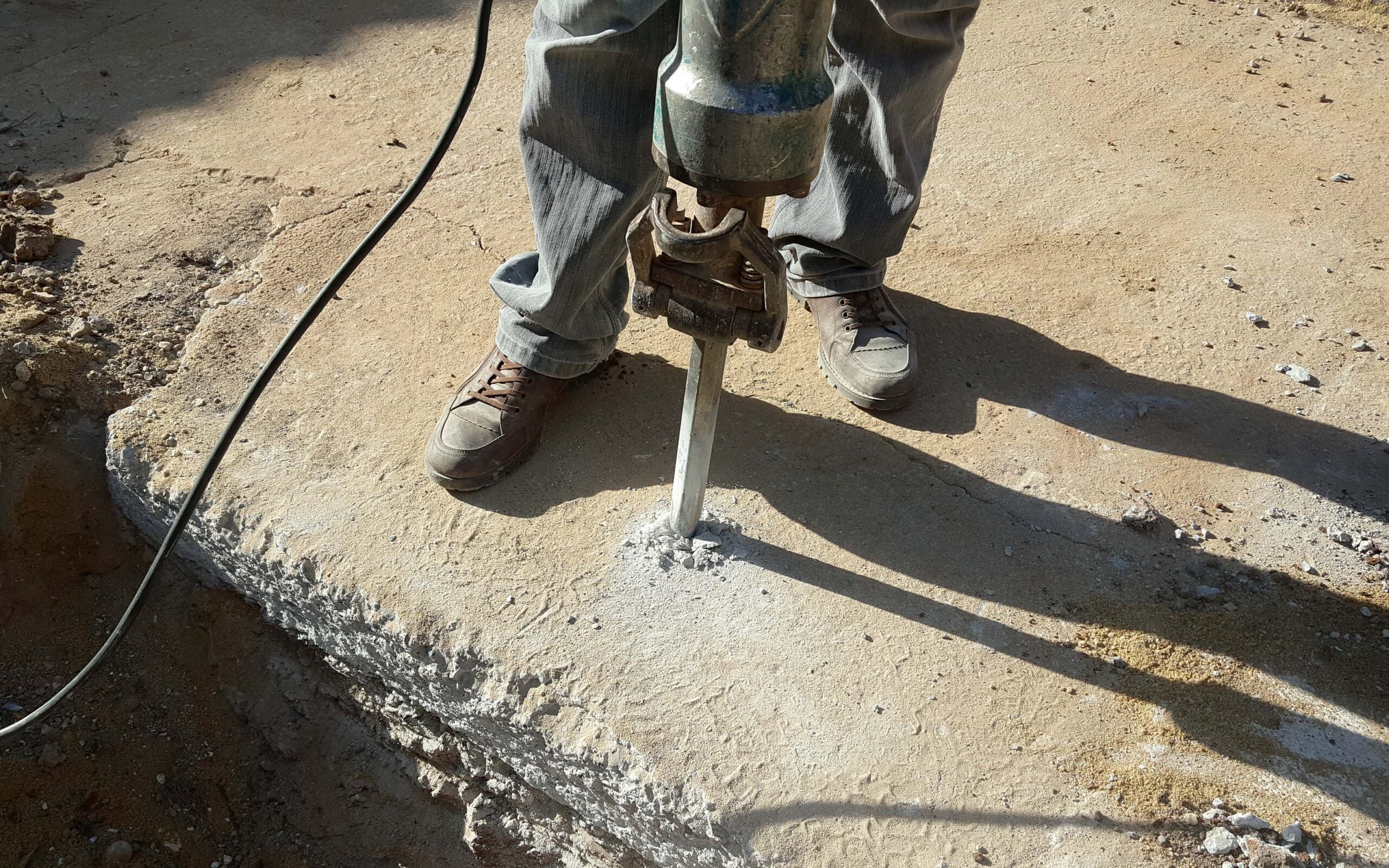
A jackhammer is a powerful demolition power tool designed to break tough surfaces such as concrete, asphalt, stone, and masonry. It works by delivering rapid hammering impacts through a hardened steel chisel that fractures the material below it.
How Jackhammers Operate
Jackhammers typically use one of three power sources:
| Power Source | Description | Best Use Case |
|---|---|---|
| Electric | Plug-in motor-driven tool | Light demolition, indoor work |
| Pneumatic | Powered by compressed air | Roadwork, heavy-duty jobs |
| Hydraulic | Attached to heavy equipment | Large-scale demolition |
The repeated impact force allows workers to break surfaces quickly and efficiently. Combining a jackhammer with machines such as a loader or forklift helps remove debris and transport materials away from the work area.
Why Rent a Jackhammer Instead of Buying One?
Many demolition jobs are temporary, which makes renting a jackhammer a practical and cost-effective solution.
Key Benefits of Renting
- Lower upfront cost – Avoid large capital investment
- Access to professional-grade tools – Maintained, job-ready equipment
- Reduced maintenance and storage – No upkeep required
- Flexibility – Choose the right tool for each project
Expert Insight: Professional contractors often prefer renting because it ensures access to the latest, well-maintained equipment without downtime caused by repairs.
Many job sites also rely on supporting machines such as loaders, forklifts, or excavators to move debris once the demolition work is complete.
Types of Jackhammers (Visual Comparison)
Electric Jackhammers
Best for:
- Small demolition projects
- Indoor applications
Advantages:
- Lightweight and portable
- Easy setup
- Lower noise
Pneumatic Jackhammers
Best for:
- Medium to heavy demolition
- Outdoor job sites
Advantages:
- Strong impact force
- Durable for continuous use
Requirement: Air compressor
Hydraulic Jackhammers
Best for:
- Large-scale and commercial demolition
Advantages:
- Maximum power
- High efficiency
Requirement: Excavator or heavy equipment
How to Choose the Right Jackhammer
Selecting the correct demolition tool improves productivity, safety, and efficiency.
Key Factors to Consider
Material Thickness
- Thin slabs → electric
- Thick concrete → pneumatic or hydraulic
Project Environment
- Indoor → electric
- Outdoor → pneumatic
Supporting Equipment
- Loader → debris removal
- Forklift → transport
- Excavator → large-scale demolition
Access and Elevation
- Elevated work → scaffolding or aerial work platform
Pro Tip: If your project involves reinforced concrete, always choose a higher-impact jackhammer to avoid delays and excessive tool wear.
Jackhammer Selection Guide (Quick Reference Table)
To make tool selection easier, use the table below to match your project type with the most suitable jackhammer and supporting equipment.
| Project Type | Recommended Jackhammer | Power Source | Surface Type | Supporting Equipment | Notes |
|---|---|---|---|---|---|
| Small patio removal | Electric jackhammer | Electric | Thin concrete, tile | None or small loader | Ideal for DIY and indoor use |
| Driveway demolition | Pneumatic jackhammer | Air compressor | Concrete, asphalt | Loader or forklift | Balanced power and efficiency |
| Roadwork / pavement breaking | Pneumatic jackhammer | Air compressor | Asphalt, reinforced concrete | Loader, compressor | Common for contractors |
| Large foundation removal | Hydraulic jackhammer | Excavator | Thick reinforced concrete | Excavator, loader | Best for heavy-duty projects |
| Indoor renovation | Electric jackhammer | Electric | Masonry, tile | Minimal equipment | Lower noise and easier handling |
| Infrastructure projects | Hydraulic jackhammer | Excavator | Thick concrete, stone | Full equipment setup | Maximum power and productivity |
Supporting Equipment for Demolition Projects
A jackhammer is often part of a larger demolition process.
Common Supporting Tools
- Excavators for digging and clearing
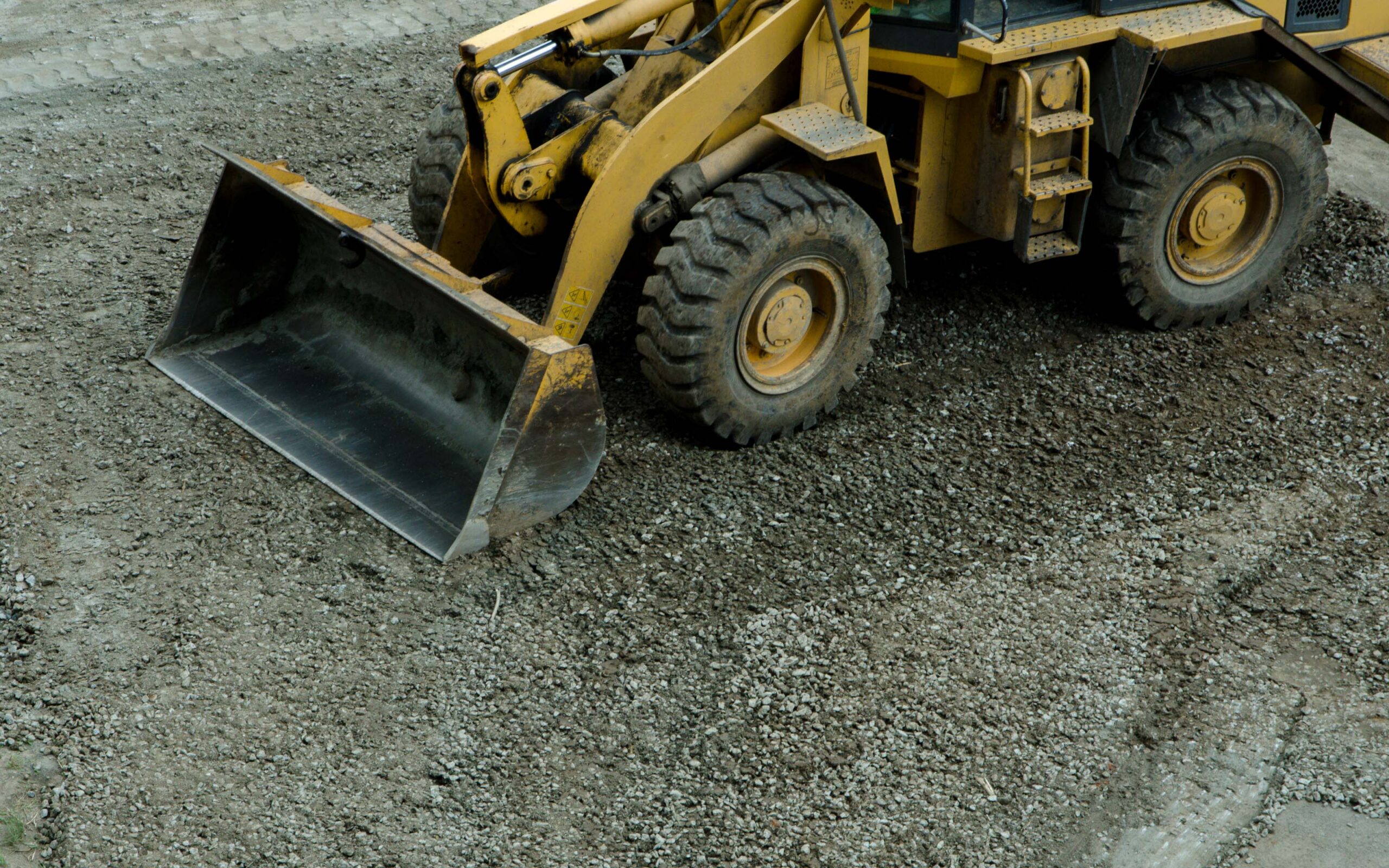
- Loaders for moving debris
- Forklifts for transporting materials
- Air compressors for pneumatic tools
- Scaffolding and aerial platforms for elevated work
- Pumps for removing water from trenches
Projects involving foundations or underground work may also require preparation around a trench, especially when utilities or drainage systems are involved.
Jackhammer Safety Checklist
Demolition tools produce powerful impact and vibration, so safety should always be a priority.
Before You Start
- Inspect tool condition
- Check chisel and connections
During Operation
- Maintain stable footing
- Keep firm grip
- Avoid overexertion
Required PPE
- Safety glasses
- Gloves
- Hearing protection
- Steel-toe boots
Safety Insight: Extended jackhammer use can cause vibration fatigue. Rotating operators or taking breaks improves both safety and productivity.
Why Choose Tool Rent Shop (TRS Equipment Rental)?
Tool Rent Shop (TRS Equipment Rental) provides reliable tools for demolition, site preparation, and masonry work.
Available Equipment
- Excavators
- Loaders
- Forklifts
- Aerial work platforms
- Scaffolding
- Compressors
- Pumps
- Demolition power tools
Located in Tucson, Arizona, TRS serves contractors, builders, and homeowners who need dependable equipment for demanding projects.
Maximizing Demolition Efficiency: Choosing the Right Jackhammer Rental
Breaking hard surfaces requires the right demolition tools and careful planning. A jackhammer rental provides the impact power needed for demanding demolition tasks without the cost of purchasing specialized machinery.
Supporting equipment such as excavators, loaders, and forklifts improves efficiency by handling debris and materials. Air compressors power pneumatic tools, while scaffolding and aerial platforms ensure safe access to elevated areas. Pumps assist with water management near trenches and foundations.
For reliable tools and expert guidance, Tool Rent Shop (TRS Equipment Rental) supports contractors and homeowners across Tucson.
Frequently Asked Questions
What size jackhammer should I use?
Smaller electric jackhammers work well for light masonry or slab removal. Larger pneumatic or hydraulic tools are better suited for thick surfaces and heavy-duty demolition.
Can homeowners rent jackhammers?
Yes. Many homeowners rent jackhammers to remove patios, sidewalks, or driveways during renovation projects.
What equipment helps move debris?
Loaders, forklifts, and excavators are commonly used to transport materials from demolition sites.
Do pneumatic jackhammers require an air compressor?
Yes. Pneumatic tools rely on compressed air supplied by an air compressor.
What tools are used alongside jackhammers?
Scaffolding, aerial platforms, pumps, compressors, and heavy equipment are commonly used to support demolition and site preparation.