Landscaping and land clearing projects can quickly become overwhelming without the right equipment. Whether you are working on a lawn upgrade, a garden redesign, or clearing raw land, choosing the right landscaping equipment rental can significantly reduce labor, save time, and improve overall results.
This guide not only lists the best equipment, but also helps you decide when, why, and how to use each one effectively.
What Equipment Is Best for Landscaping and Land Clearing Projects?
The best equipment depends on three key factors:
- Project size
- Type of vegetation or soil
- End goal of the landscape project
For example, clearing light brush requires very different tools compared to removing tree stumps or leveling soil for construction.
1. Skid Steer Loaders
Skid steers are essential for moving soil, clearing debris, and handling materials. They support multiple attachments, including augers, buckets, and trenchers.
Best use case:
- Grading uneven ground
- Moving large volumes of soil
- Hauling materials during landscaping projects
2. Excavators
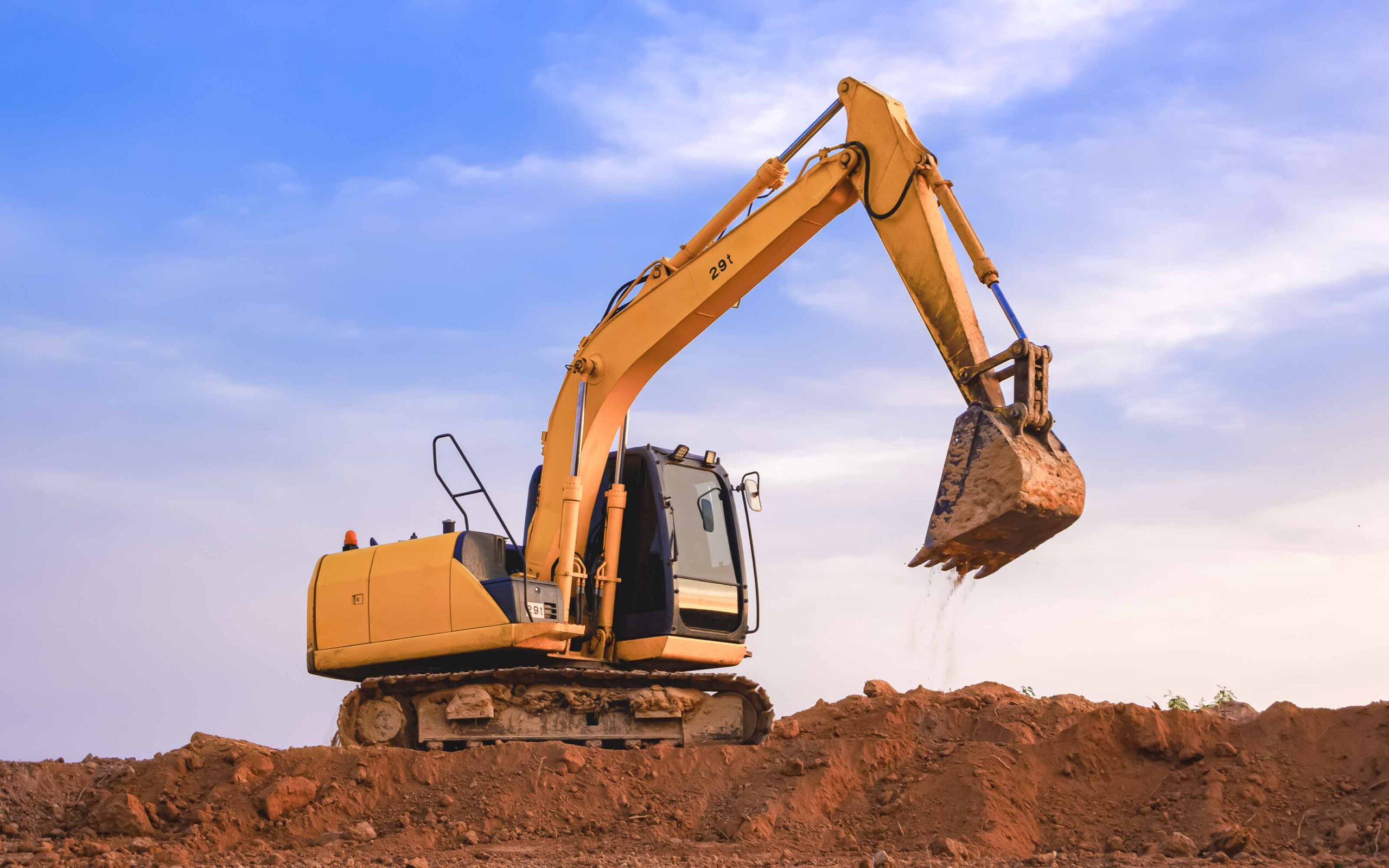
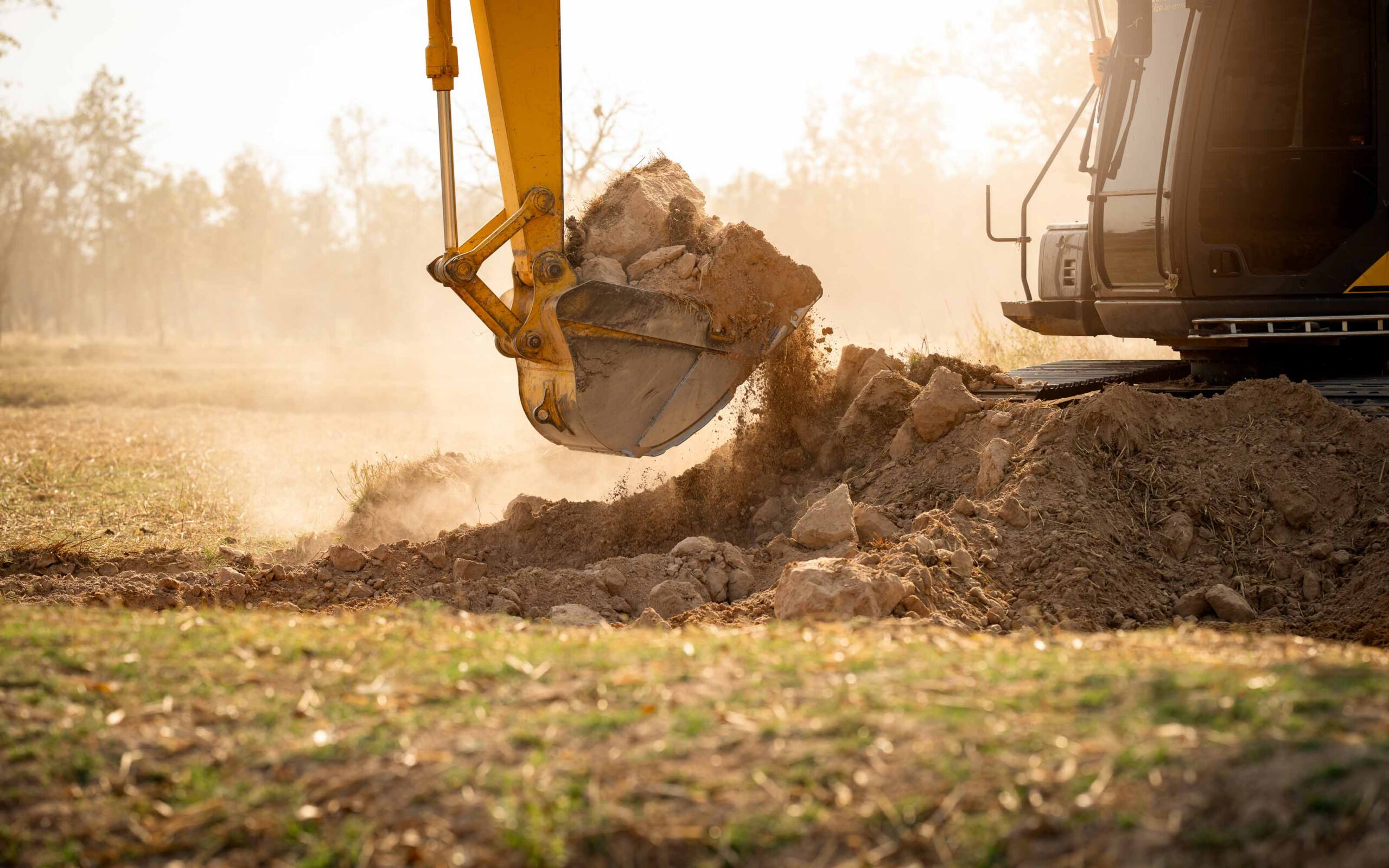
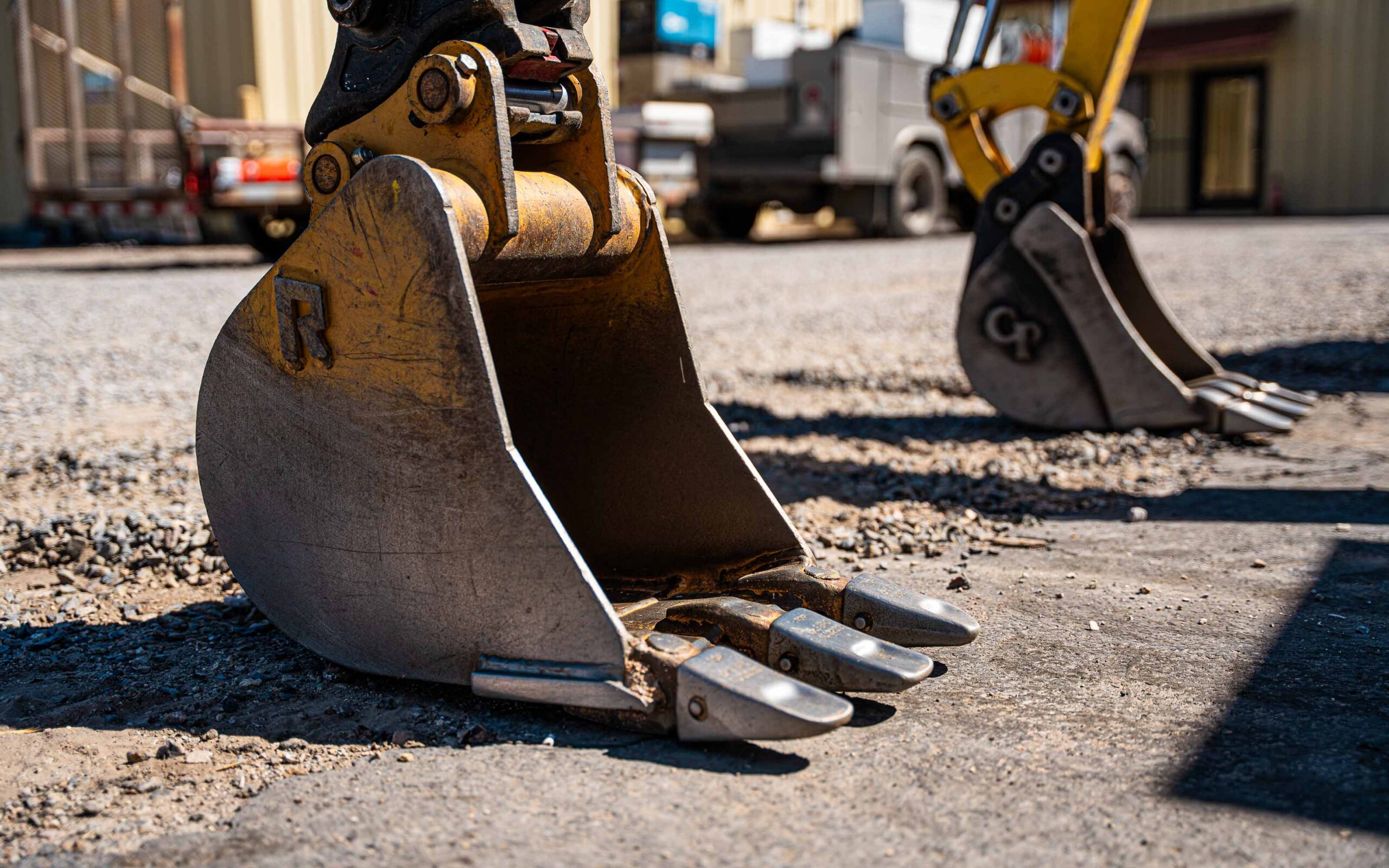
Excavators are ideal for digging, trenching, and removing tree roots. They are often used when clearing land with dense vegetation or preparing foundations.
Best use case:
- Deep digging and trenching
- Removing large stumps and roots
- Preparing land for construction
3. Brush Cutters and Chainsaws
Brush cutters and chainsaw tools are critical when clearing overgrown areas. They help remove thick brush, hedge growth, and small trees quickly.
Best use case:
- Cutting dense vegetation
- Breaking down trees into manageable sections
- Initial clearing phase
4. Stump Grinders
Stump grinders remove leftover tree stumps efficiently. This is important when preparing soil for new planting or landscape redesign.
Best use case:
- Removing visible stumps
- Preventing regrowth
- Improving safety and surface leveling
5. Trenchers
Trenchers are used for installing irrigation systems, drainage lines, or underground utilities.
Best use case:
- Irrigation installation
- Drainage solutions
- Utility line placement
6. Compactors
Compactors stabilize soil before construction or landscaping installation.
Best use case:
- Preparing base for patios or walkways
- Stabilizing loose soil
- Preventing sinking or shifting
7. Dump Trailers
Dump trailers are used to haul debris, soil, logs, and landscaping waste.
Best use case:
- Transporting cleared materials
- Removing waste efficiently
- Keeping job sites clean
8. Augers and Drill Attachments
Augers and drill attachments are used for digging holes for fence posts, trees, or supports.
Best use case:
- Fence installation
- Tree planting
- Structural landscaping work
Equipment Comparison for Landscaping and Land Clearing Projects
| Equipment | Primary Use | Best For Project Type | Key Advantage |
|---|---|---|---|
| Skid Steer Loaders | Moving soil, grading, hauling | Small to Medium | Versatile with attachments |
| Excavators | Digging, trenching, root removal | Medium to Large | Deep digging power |
| Brush Cutters and Chainsaws | Clearing vegetation | Small to Large | Fast clearing |
| Stump Grinders | Removing stumps | Small to Medium | Prevents regrowth |
| Trenchers | Digging narrow trenches | Small to Medium | Precision trenching |
| Compactors | Soil stabilization | All sizes | Long-term durability |
| Dump Trailers | Hauling materials | Medium to Large | Reduces manual labor |
| Augers and Drill Attachments | Drilling holes | Small to Medium | Accurate placement |
Step-by-Step: How to Complete a Land Clearing Project Efficiently
This is where most blogs fail. Here is the actual workflow professionals follow:
Step 1: Clear Vegetation
Use brush cutters and chainsaws to remove surface growth.
Step 2: Remove Trees and Stumps
Use excavators and stump grinders to eliminate roots and obstacles.
Step 3: Move and Remove Debris
Use skid steers and dump trailers to clean the site.
Step 4: Prepare the Ground
Use compactors to stabilize soil and trenchers for irrigation or drainage.
Step 5: Final Installation
Use augers for planting, fencing, or structural elements.
This structured approach reduces project time and prevents rework.
Cost vs Efficiency: Why Equipment Rental Saves More
Many people underestimate the cost of doing projects manually.
- Manual labor takes longer
- Equipment increases productivity
- Renting eliminates maintenance costs
For example, a skid steer can complete in hours what would take days manually. This makes equipment rental a cost-efficient solution for both homeowners and contractors.
Why Professional Equipment Rental Improves Results
Working with a trusted provider like TRS Equipment Rental, a locally established company serving Tucson and Southern Arizona since 1987, ensures you get reliable tools backed by decades of experience. Their team helps match the right equipment to your project conditions, reducing trial and error.
Instead of purchasing expensive tools, renting gives you access to commercial-grade equipment that is regularly maintained and inspected. This improves performance, reduces downtime, and ensures safer operation.
Contact us, TRS Equipment Rental also provides expert recommendations on attachments, usage, and project planning. This level of support is especially valuable for complex landscaping and land clearing projects where choosing the wrong equipment can lead to delays and added costs.
Common Mistakes to Avoid When Renting Equipment
- Choosing equipment that is too small for the job
- Skipping soil preparation steps
- Not planning debris removal
- Ignoring safety guidelines
- Renting without understanding attachments
Avoiding these mistakes can significantly improve project outcomes.
Expert Recommendations for Land Clearing and Landscaping Success
Professional contractors and equipment rental specialists agree that choosing the right equipment is one of the most important factors in completing landscaping and land clearing projects efficiently. According to industry best practices, using underpowered or incorrect equipment can increase project time, labor costs, and the risk of rework.
Experts typically recommend starting with a clear plan that matches equipment to each phase of the project. For example, brush cutters and chainsaws are used for initial vegetation removal, while excavators and stump grinders handle deeper clearing tasks like root and stump removal. Skid steers are then used for moving soil and debris, followed by compactors to stabilize the ground before any construction or landscaping installation begins.
Another key recommendation is to prioritize equipment versatility. Machines like skid steers with multiple attachments can replace several single-purpose tools, improving efficiency and reducing overall rental costs. Contractors also emphasize the importance of using well-maintained, commercial-grade equipment to avoid downtime and ensure consistent performance on-site.
Working with an experienced provider like TRS Equipment Rental gives you access to expert guidance on equipment selection, attachments, and project planning. Their team helps match the right tools to your specific soil conditions, terrain, and project size, which can significantly improve productivity and reduce costly mistakes.
FAQs
What is the fastest way to clear land?
Using a combination of brush cutters, excavators, and skid steers is the fastest and most efficient approach.
How do I know which equipment to rent?
Evaluate your project size, soil condition, and type of vegetation. Consulting a rental expert can help.
Is renting better than buying equipment?
Yes, especially for short-term projects. Renting reduces upfront costs and maintenance responsibilities.
What equipment is needed for soil preparation?
Compactors and trenchers are commonly used to prepare and stabilize soil.
Can I complete a landscaping project without heavy equipment?
Small projects can be done manually, but larger projects benefit greatly from equipment rental.