Choosing between a skid steer and an excavator can make or break productivity on a Tucson job site. The right heavy equipment saves time, reduces labor strain, and improves safety in Arizona’s desert conditions. At TRS Equipment Rental, contractors, homeowners, and project managers have access to a large inventory of well-maintained equipment designed for Southern Arizona construction projects.
Whether you are working on concrete prep, masonry, trenching, grading, or material handling, selecting the correct machine ensures efficiency from start to finish. This guide explains how to decide which equipment fits your project scope, soil conditions, and timeline.
What is the difference between a skid steer and an excavator?
The primary difference between a skid steer and an excavator comes down to movement, digging capability, and versatility.
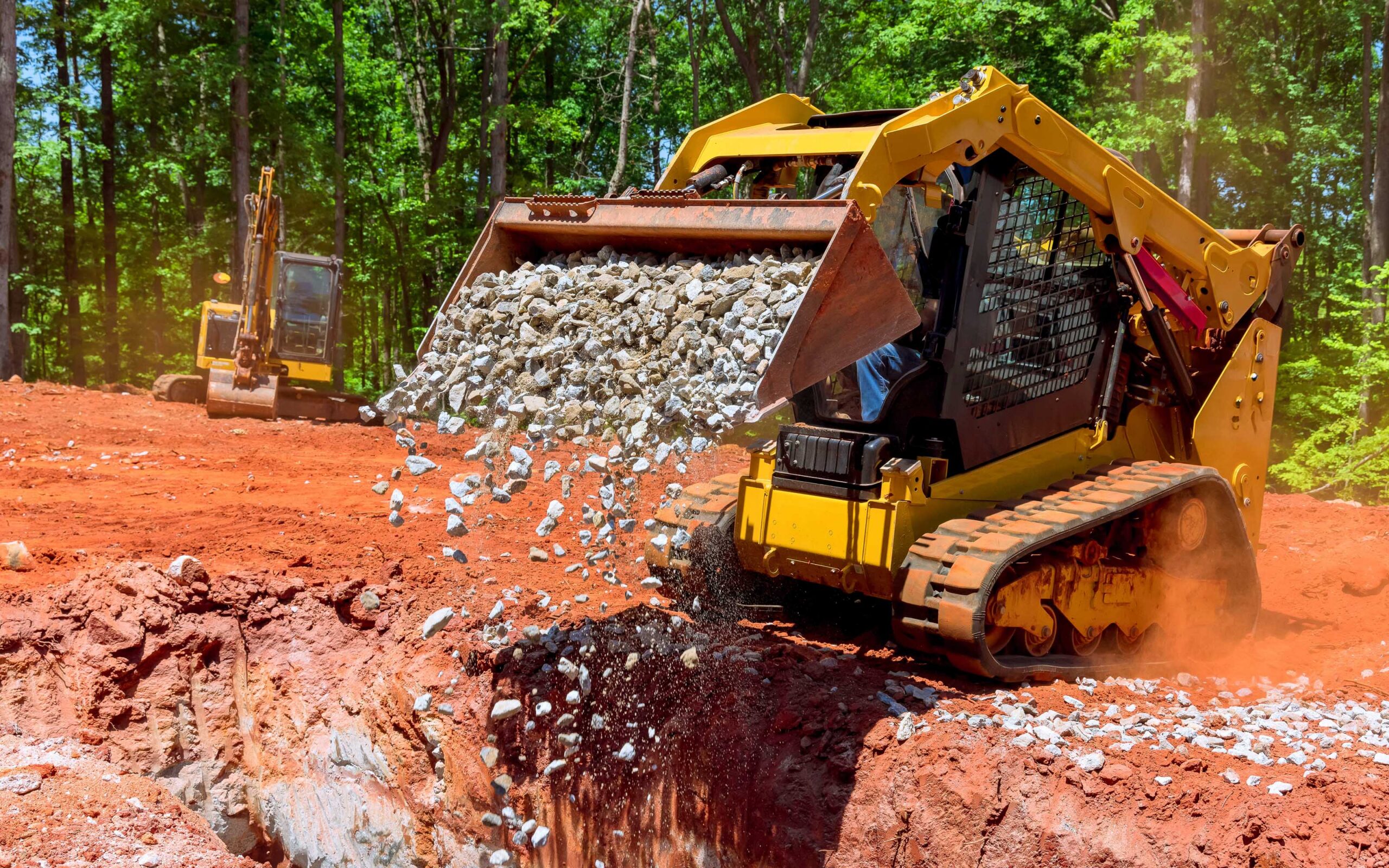
A skid steer is compact, fast, and extremely adaptable. It can function as a loader, material handler, and grading machine using interchangeable attachments. It works well for surface work, site cleanup, and moving concrete, soil, or masonry materials.
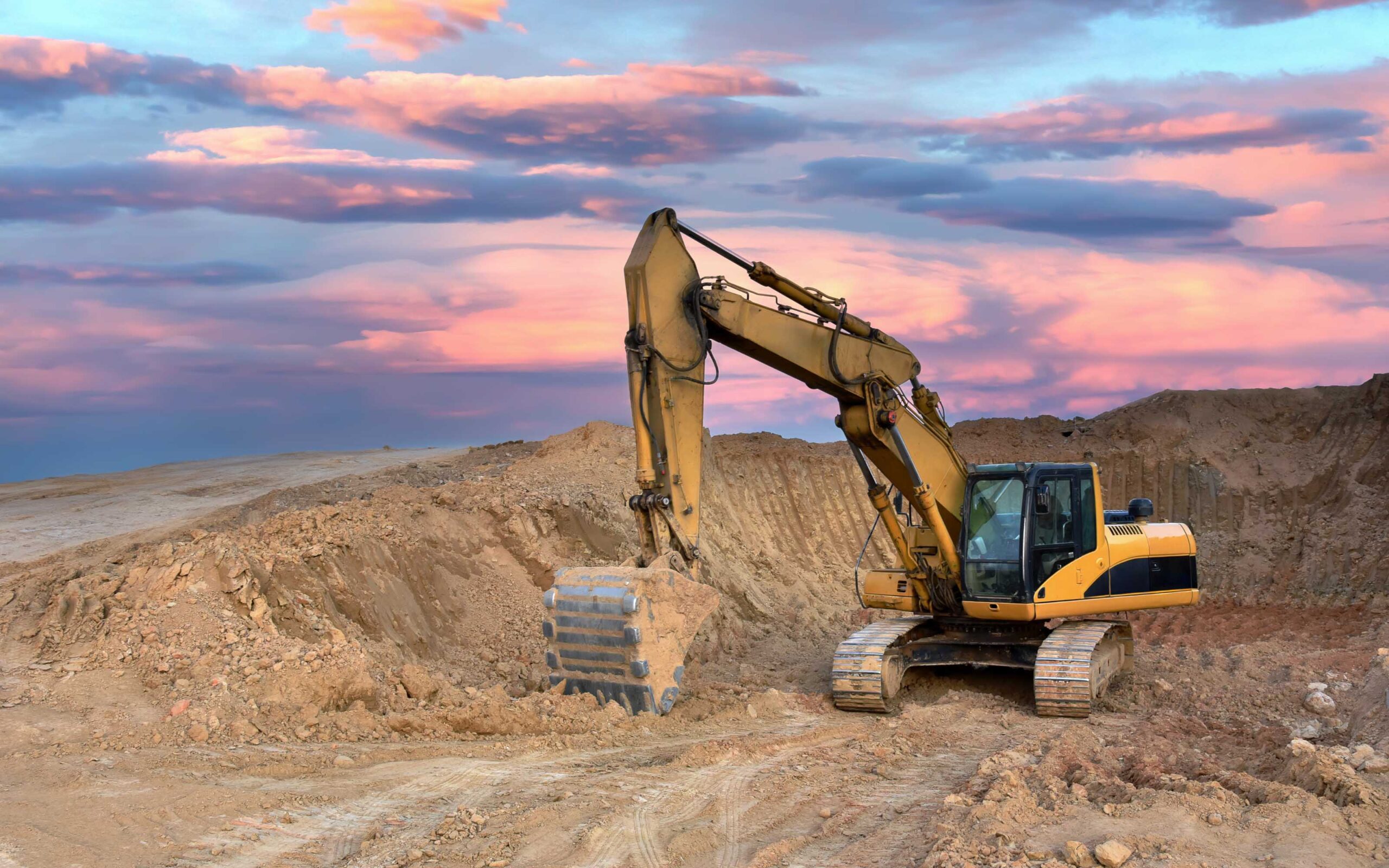
An excavator is purpose-built for digging, trenching, and earthmoving. It provides greater depth, precision, and breakout force, making it ideal for foundations, drainage systems, and utility installation.
If your project requires frequent repositioning, lifting, and material handling, a skid steer is often the better choice. If deep excavation, trenching, or backhoe-style digging is required, an excavator will perform more efficiently.
How does job site size affect equipment selection?
Job site size plays a major role in equipment rental decisions.
Skid steers perform exceptionally well in tight spaces such as residential yards, alley access builds, or confined construction zones. Their zero-radius turning capability allows operators to maneuver without damaging nearby structures.
Excavators are better suited for open commercial construction sites, roadway projects, and larger landscape developments. Their extended reach reduces repositioning and increases productivity.
For vertical construction needs, you may also consider an aerial work platform or scaffolding, especially when working above ground level. Matching the equipment to available space prevents delays and improves safety.
Why do Tucson soil conditions matter?
Tucson soil is often compact, dry, and rocky. This directly impacts machine performance.
Excavators are better suited for hard-packed desert terrain because they provide stronger digging force and better control. They are especially effective for trenching, installing underground utilities, or preparing foundations.
Skid steers can handle tough soil conditions but may require specialized attachments such as augers, breakers, or trenchers. For projects involving concrete cutting, air compressor use, or compressor-powered power tools, choosing compatible equipment is essential.
Understanding soil conditions before renting heavy equipment helps prevent inefficiencies and unnecessary wear.
How do attachments increase skid steer versatility?
One of the biggest advantages of a skid steer is attachment flexibility.
With the right tool, a skid steer can replace multiple machines on a job site. Common attachments include:
- Buckets for grading and loading
- Forklift-style forks for pallet movement and material handling
- Augers for post holes and footings
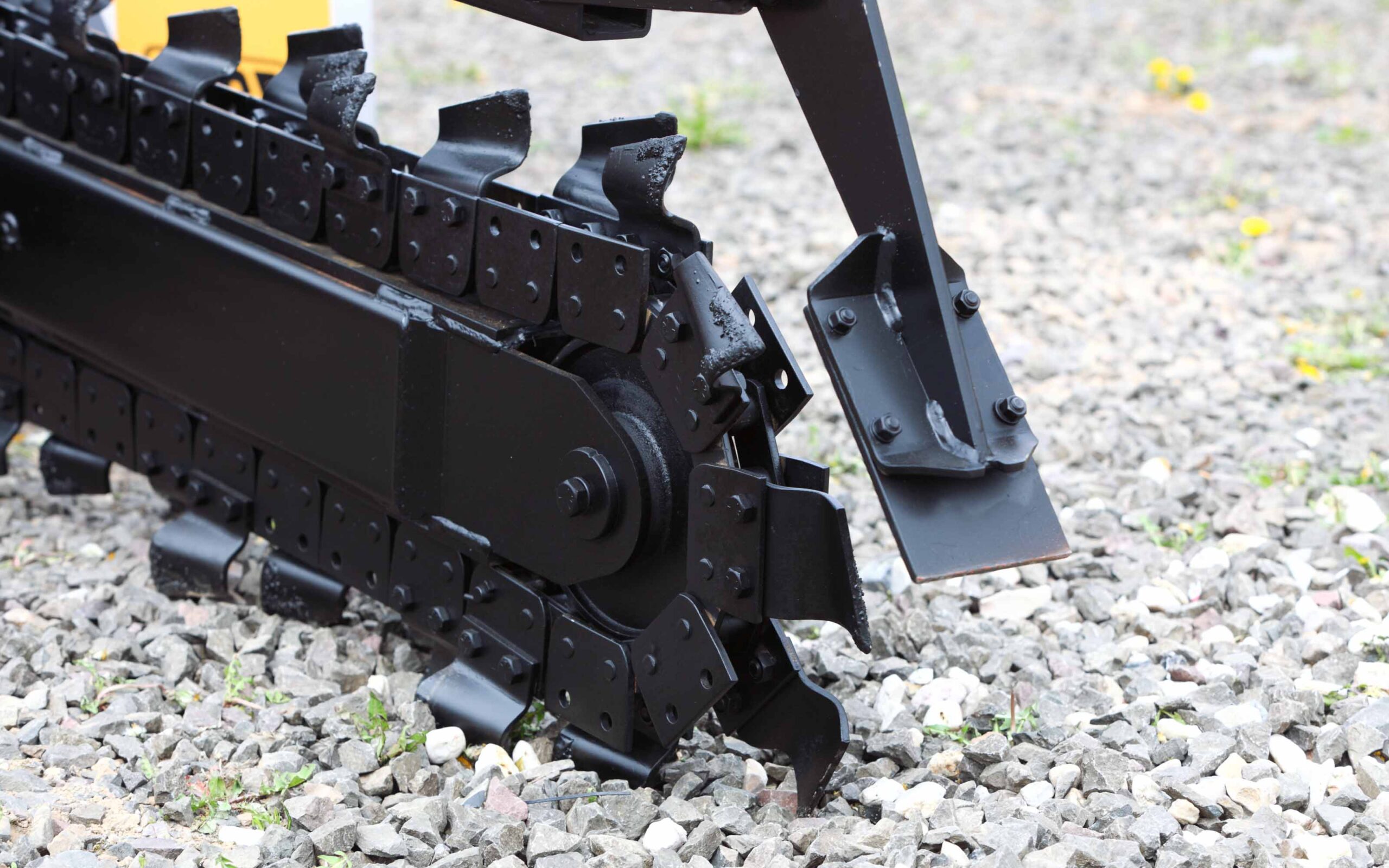
- Trenchers for shallow excavation
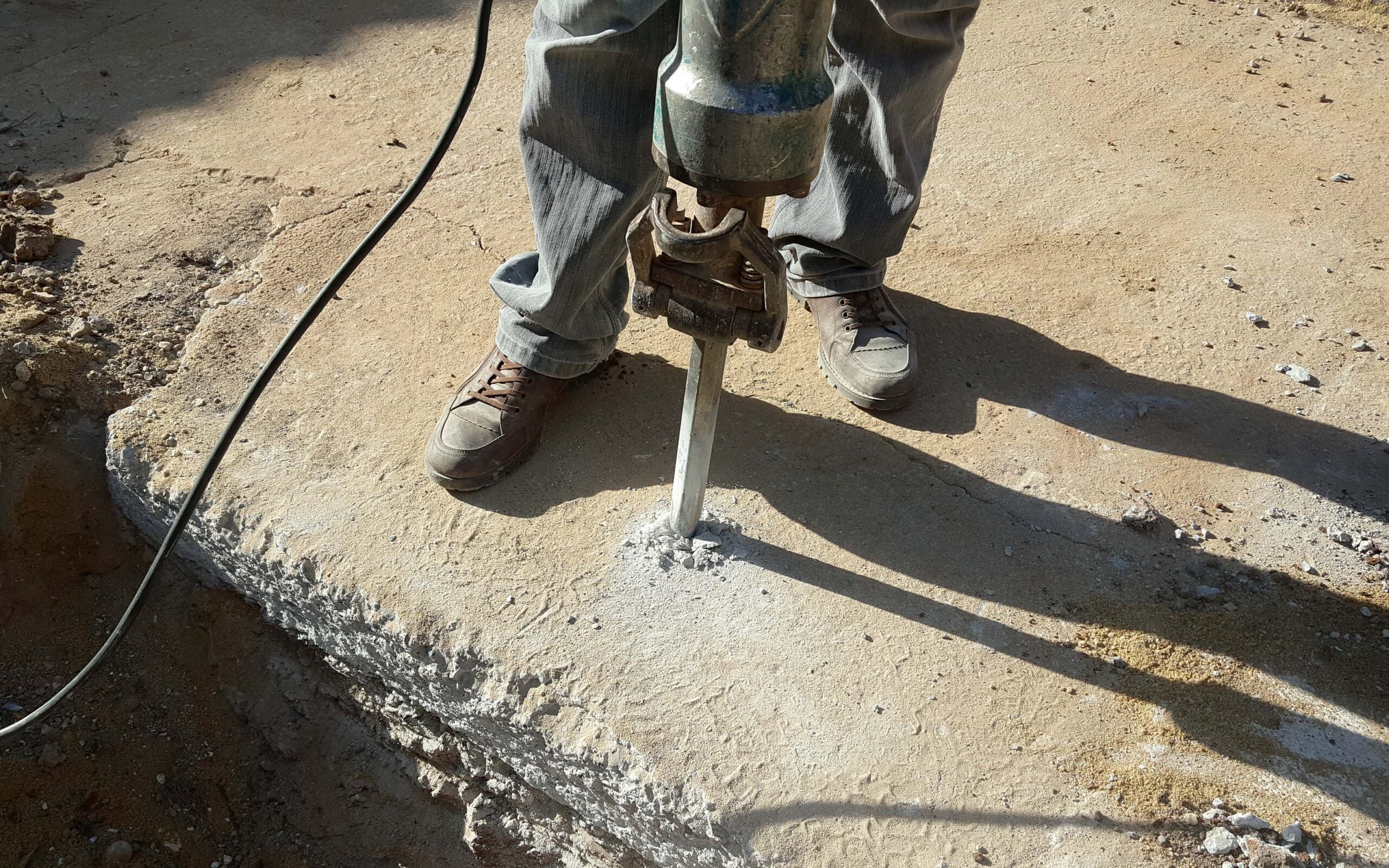
- Breakers for concrete and masonry removal
This flexibility makes skid steers valuable for multi-phase construction jobs where tasks shift throughout the day.
When is an excavator the smarter investment?
Excavators are the right choice when depth, reach, and precision are required.
They are ideal for:
- Trenching for utilities or irrigation
- Foundation and footing excavation
- Drainage and erosion control
- Demolition requiring controlled digging
- Pump system installation and underground service lines
Because the upper structure rotates 360 degrees, operators can work efficiently without moving the tracks repeatedly. This is especially beneficial on uneven desert terrain.
For projects that combine lifting and digging, pairing an excavator with a loader, truck, or trailer can further streamline workflow.
How do rental costs compare to project efficiency?
Daily rental rates matter, but productivity matters more.
A skid steer may cost less per day, but if it struggles with deep excavation or dense soil, it can increase labor time. An excavator may carry a higher rental rate but can complete trenching and foundation work faster.
Efficient equipment selection reduces downtime, maintenance risk, and fuel waste. It also ensures your project stays on schedule.
At TRS Equipment Rental, customers can review available inventory and choose the equipment that aligns with project demands. Reliable maintenance and equipment service ensure machines arrive job-ready.
What should you consider before renting equipment in Tucson?
Before finalizing your equipment rental, ask:
- How deep and wide does excavation need to be?
- Is the job site tight or open?
- Will multiple attachments be required?
- Are you handling concrete, masonry, or heavy material?
- Do you need delivery with a truck or trailer?
- Will additional tools such as an air compressor or power tool be needed?
Answering these questions upfront helps ensure you rent equipment that matches your exact needs. If you are unsure which machine is right for your project, Contact Us to speak with the team at TRS Equipment Rental for expert guidance tailored to your Tucson construction site.
Frequently Asked Questions
What is better for landscaping projects in Tucson, a skid steer or an excavator?
Skid steers are ideal for grading, surface prep, and material handling. Excavators are better for digging trenches, removing stumps, and reshaping terrain below ground level.
Can a skid steer replace a backhoe?
A skid steer with attachments can handle many backhoe-style tasks, but it cannot match the digging depth and reach of a full excavator.
What other equipment might I need for a construction job?
Depending on the project, you may need a forklift, aerial work platform, scaffolding, pump, air compressor, or additional heavy equipment to support workflow.
Which machine works best in rocky Arizona soil?
Excavators typically perform better in compact or rocky soil due to their digging strength and stability.
How do I choose the right size equipment?
Equipment size depends on project scale, space constraints, soil conditions, and load requirements. Rental specialists can help match the right machine to your job.