A plate compactor is the right rental for gravel, sand, decomposed granite and paver bases. A jumping jack is the better choice for clay, silty soil and narrow trench backfill, where vibration alone won’t pack the material down. A remote-control trench roller makes the most sense on longer or deeper trench runs, when you want the operator standing safely at the edge instead of down in the hole.
TRS Equipment Rental has supplied Tucson contractors, landscapers and homeowners with compaction equipment since 1987. Our compactor rentals cover all of these jobs with a vibratory plate compactor, a jumping jack with an 11-inch shoe and a Bomag 24-inch remote-control trench compactor.
What is the difference between a plate compactor, a jumping jack and a trench roller?
Each machine packs soil in a different way, and that’s what decides where it works best.
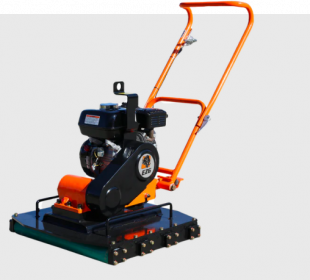
A plate compactor uses a flat steel plate that vibrates rapidly. The vibration shakes loose, granular particles into a tighter arrangement, which is why it works so well on gravel, sand and DG that drain freely.
A jumping jack, also called a rammer, uses a small foot that strikes the ground with heavy, repeated impact. That pounding forces air and water out of cohesive soils like clay, which tend to resist vibration.
A trench roller uses padded drums that knead the soil as it travels. It’s sized to fit inside a trench, and the remote control lets one person run it from outside the excavation.
When should you rent a plate compactor?
Rent a plate compactor when you’re compacting material that drains. Common jobs include a gravel base for a driveway or walkway, DG paths and patios, sand bedding under pavers, the base under a shed pad or slab, and small asphalt patches.
Decomposed granite is everywhere in Tucson landscaping, and it compacts best when it’s slightly damp rather than bone dry. A light misting before each pass helps the fines bind together into a firm surface instead of staying loose and dusty.
Work in thin layers rather than dumping all the base material at once and compacting the top. A plate compactor only reaches so deep, so building the base a few inches at a time is what keeps it from settling later. For pavers, you can make a final pass over the finished surface to settle the stones into the sand bed. Use a protective pad or mat so the plate doesn’t scuff or chip the pavers, and ask our team about setup when you pick up.
When should you rent a jumping jack compactor?
A jumping jack is the go-to rental for clay, silty soil and backfill that contains a mix of soil and rock fragments. It’s also the right fit for tight spots, such as trench backfill around pipe, soil around footings and foundation walls, and narrow areas a plate can’t reach.
The 11-inch shoe fits inside most utility and irrigation trenches. Because the jumping jack hits hard and travels slowly, it takes some effort to guide, so plan breaks and schedule the work for early morning when Tucson heat is still manageable.
If you’re backfilling around pipe, place and compact the first layer carefully by the pipe so you don’t damage it, then work upward in layers. Dumping the trench full and compacting only the top leaves soft soil underneath that will sink over time.
When does a remote-control trench roller make sense?
Rent the Bomag 24-inch trench roller for long trench runs, such as utility lines, irrigation mains and drainage, where hand-guiding a jumping jack the whole length would be slow and exhausting. It also works well on larger areas of cohesive soil.
The remote control is the big advantage. The operator can stand at the edge of the trench while the roller does the work, which matters for safety. OSHA’s excavation standard requires a protective system such as shoring, shielding or sloping for trenches 5 feet deep or more unless the trench is in stable rock, so keeping people out of deeper trenches whenever possible is the smart approach.
Which compactor is right for common jobs?
| Project | Best rental | Why |
| Gravel base for a driveway or walkway | Plate compactor | Vibration packs granular base material |
| DG path or patio | Plate compactor | Works best on lightly dampened DG |
| Paver base and final paver pass | Plate compactor | Settles base and pavers evenly |
| Clay or silty soil | Jumping jack | Impact forces air and water out of cohesive soil |
| Backfill around pipe in a narrow trench | Jumping jack | 11-inch shoe fits inside the trench |
| Long utility or drainage trench | Trench roller | Covers distance quickly with remote control |
| Soil around footings or foundation walls | Jumping jack | Reaches tight spaces next to structures |
| Small asphalt patch | Plate compactor | Flat plate leaves a smooth finish |
How do soil type and moisture affect compaction?
Moisture matters as much as the machine. Soil that’s too dry won’t pack down no matter how many passes you make, and soil that’s too wet turns spongy and pumps under the compactor.
A simple field check helps. Squeeze a handful of soil. If it holds together in a ball and then breaks into a couple of chunks when you drop it, the moisture is in a good range. If it crumbles to dust, add water and let it soak in. If water squeezes out or the soil smears like putty, give it time to dry.
Tucson soil can dry out in a matter of hours during warm weather, so lightly watering a layer, letting it soak in and then compacting is often the difference between a firm base and one that stays soft.
How many passes does it take to compact soil properly?
Most layers need several overlapping passes. A good rule of thumb is to keep going until the compactor stops leaving noticeable marks and the surface feels firm underfoot. If the machine starts bouncing on the surface, that layer is usually as tight as it’s going to get.
For structural work like foundations, slabs and driveways that carry heavy vehicles, the plans may call for a specific compaction level that’s verified with density testing. Check your project requirements before you start so you know what standard you’re working toward.
What safety precautions should you take when using a compactor?
Wear hearing protection, safety glasses, gloves and steel-toe boots. Compactors are heavy, so use proper lifting technique or a ramp when loading them, and keep your feet clear of the plate or shoe at all times.
Gas-powered compactors produce carbon monoxide. Never run one in an enclosed space, and be cautious in deep or narrow trenches where exhaust can collect. If your project involves digging a trench before backfilling, contact Arizona 811 to have underground utilities marked before you dig. TRS provides operator training at pickup or delivery, and our jobsite safety guide covers more of the basics.
How do you rent a compactor from TRS?
Call 520-744-6333 or request a quote online. Tell the team what material you’re compacting, how large the area is and whether you’re working in a trench, and they’ll match you with the right compactor. TRS has no deposit and no reservation fees, and a Friday afternoon pickup returned Monday morning is billed as a one-day rental.
TRS Equipment Rental is at 7255 N. Camino de Oeste near Ina Road and I-10, open Monday through Friday from 6:30 AM to 3:00 PM. Delivery is available throughout Tucson and rural Southern Arizona, and you can also check availability through the online rental portal. If your project starts with digging, our guide to choosing a trencher rental pairs well with this one.
Frequently Asked Questions
Can a plate compactor compact clay?
Not well. Clay resists vibration, so a plate compactor tends to skim the surface without packing the soil underneath. A jumping jack or trench roller is the better rental for clay and other cohesive soils.
What compactor should I rent for a paver patio?
A vibratory plate compactor. Use it to compact the gravel base in layers and again for a final pass over the laid pavers, with a protective pad between the plate and the stones.
Can I use a jumping jack on gravel?
You can, but a plate compactor usually does a better and faster job on gravel and other granular material. The jumping jack is designed for cohesive soil and tight spaces.
Do I need to water soil before compacting it?
Often, yes, especially in Tucson’s dry climate. Soil compacts best at moderate moisture. Lightly water dry material and let it soak in before compacting, but avoid saturating it.
Can I rent a compactor for the weekend?
Yes. At TRS, picking up Friday afternoon and returning Monday morning counts as a one-day charge, which gives weekend projects plenty of time without paying for three days.